
Weekend Studio: Obsessed, Distracted, Reimagining Work
SXSW, boredom, deep work, things I’m obsessing about & reprioritising

We are just a couple of days away from spring here on the gorgeous Gold Coast in Australia and I’m feeling both apprehensive and excited. I’m taking the next two weeks off, not to go anywhere, but to switch off from the noise and distraction and, hopefully, get some deep work done.
I’m writing a book, and working on my first physical product (pre-sale in late September/early October). Over the next two weeks, I’m going to be doing both from a range of different spaces here #workadventuring. I’ll document what happens along the way, what works and what doesn’t.
I’ll also be taking some time (new quarter and new season and all of that), to think about what I might need to shift at work. I need to get much better at how to say no without feeling bad, and to work out how to create boundaries that will allow me to focus on the projects that really matter to me.
Tim Ferriss is releasing his first book in seven years which will be entirely about how to say no. Years ago, I remember him saying that it’s much easier (though not always easy) to say no to the things you don’t like or don’t want to do, but much harder when you have to say no to things that you like or actually want to do.
I’m now at that harder point.
While this year has been incredibly exciting and full of new opportunities that, in some cases, I hadn’t even imagined, the reality now is that I cannot do all of them. My calendar most days is so full of meetings that it’s hard to find time to do anything else, let alone the deep work that is a significant part of my job.
I’m curious to see how I feel at the end of the next two weeks and what that means for how I decide to spend my time and attention going forward.
SXSW Sydney
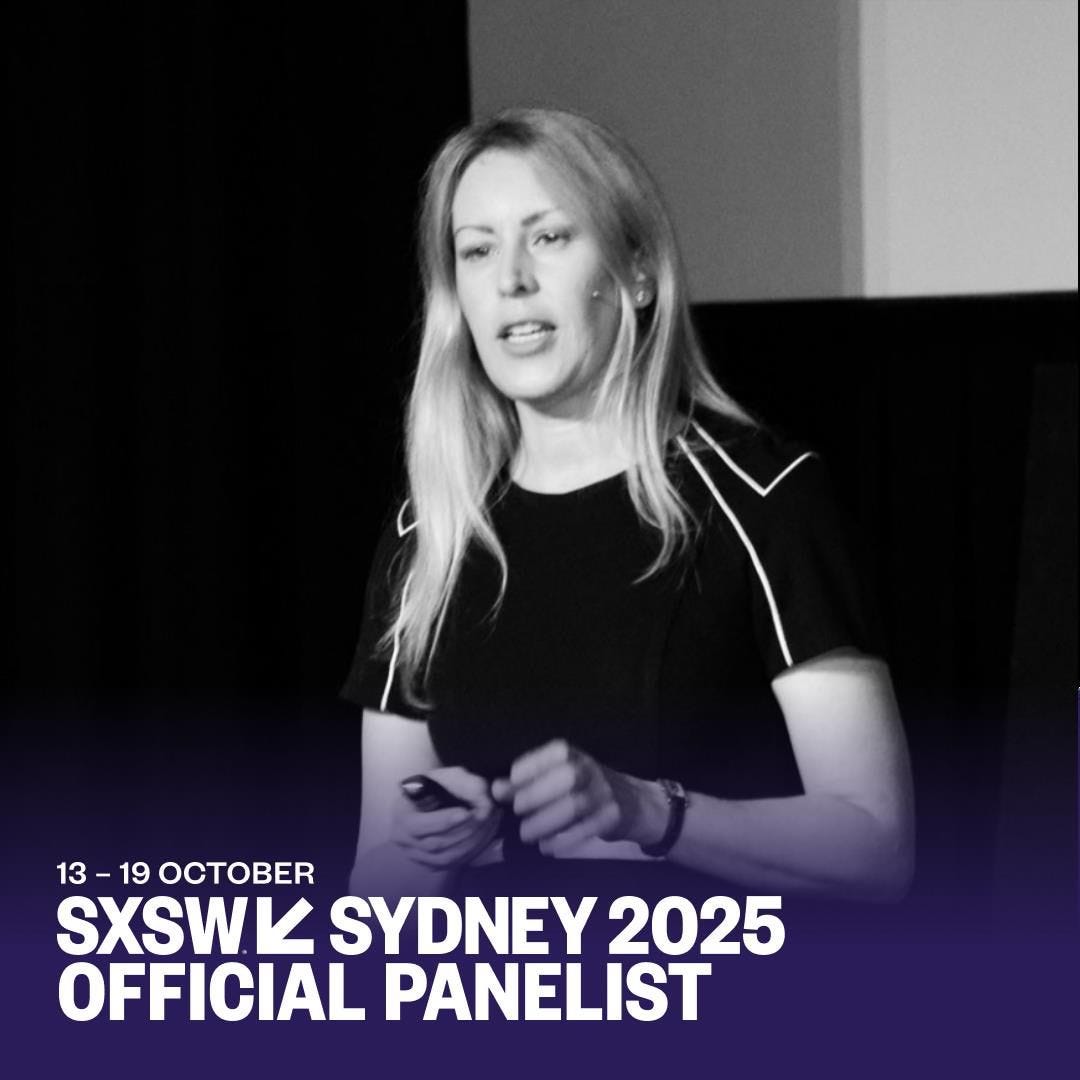
It’s a dream come true for me to be speaking at South by South West Sydney this year. My session with Ben Hamley, Dr Andy Walshe, and Ben Johnston is The Human Advantage: Why AI’s Best Gift is Making us More Creative. I’d love to see you there.
World Business Forum
I’m also absolutely thrilled to be speaking at the World Business Forum in Sydney on November 11-12. Headline speakers this year are Michael Phelps, Harvard’s Amy Edmondson, Silicon Valley guru Guy Kawasaki and former Telsa President Jon McNeill. If you are keen to attend, you can get $500 off using my code LIBBYSANDER500
New Episode of The Floorplan
On the latest episode of The Floorplan, my podcast about the future of work, Matt and I contemplate the value of boredom.
These days boredom is easily avoidable - instant entertainment is only a short scroll away courtesy of the complex multimedia platforms we carry in our pockets.
It wasn't always thus, of course.
Can we benefit from being bored? What about boredom in the workplace? What is the science of boredom? And given a choice, would you take boredom over an electric shock? You’ll be surprised at the results.
These questions and more touched on by world-renowned workplace boredom expert, Professor Cynthia Fisher.
Also, some fascinating new research has emerged on psychopathy in the workplace.
We also ponder research into the best ways to holiday.
Listen on Spotify here and Apple here.
Systems to Support Deep Work and Learning New Things
For some time I’ve been looking at the paper tablet ReMarkable from a distance. Tempted but not sure. I have to read and annotate papers daily, as well as undertake commonplacing. I use a range of methods to do this, but none of them really land the way I would like.
I was so delighted to meet one my annual subscribers at an event a few weeks ago. She had a ReMarkable and told me how she uses it. I was immediately convinced and now keep refreshing the DHL app to see when mine is going to arrive (Monday apparently).
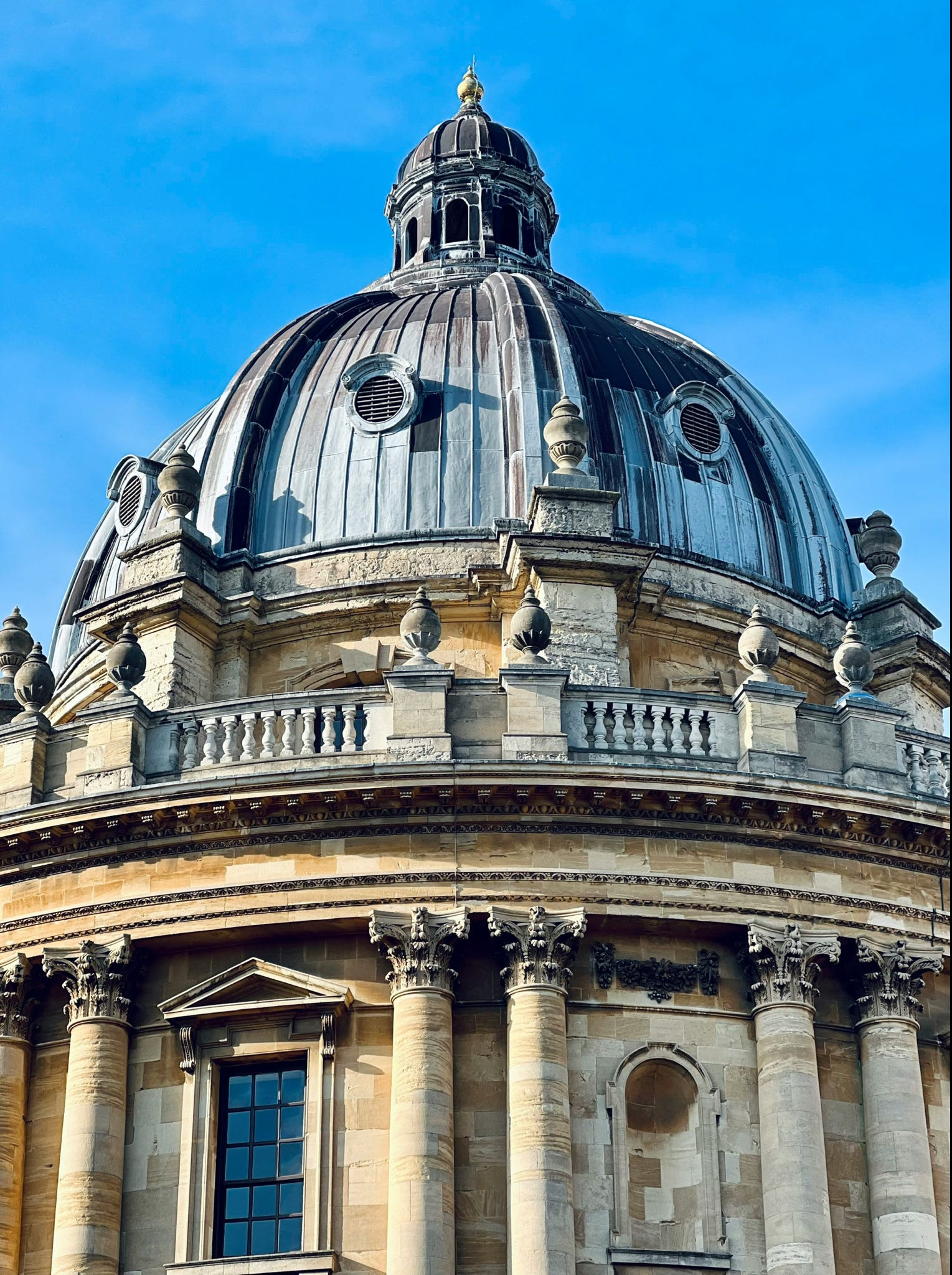
I’ve long loved Oxford Masters of English Literature grad Ruby Granger’s channel on ways to learn and study deeply. And the settings in Oxford really help to transport you into a vibe in which studying seems like the most important activity that you could pursue today. I think I’d be in danger of forgetting to eat and sleep if I had the Bodleian library at my disposal…..
I’m following her missive to create a personal learning curriculum for this quarter. Whether it is to see trends or patterns, develop foresight, training your brain to think differently, or just for sheer pleasure, I think it’s extremely important to pursue new learning in areas completely unrelated to what you do.
On my potential list of pursuits this quarter: sacred geometry and Attic Greek.
Things that Make Work Better
Circadian Lighting and Why it Matters in the Office
Circadian lighting is far removed from the average fluorescent horror show that still pervades many offices. It’s lighting designed to work with your body’s natural 24-hour biological clock, which governs sleep, energy, mood, and focus. Our circadian rhythm is highly sensitive to light, especially the short-wavelength “blue” light found in morning daylight. Unlike traditional lighting that only helps you see, circadian lighting changes in intensity and colour throughout the day to mimic natural daylight patterns. Bright, blue-enriched light in the morning boosts alertness and concentration, while warmer, dimmer light in the evening tells your body it’s time to wind down.
The result? Better sleep, sharper focus, improved mood, and overall wellbeing.
A large office field study found that employees exposed to blue-enriched light, the kind of bright, cool light that mimics daylight, reported feeling more alert, in a better mood, and even slept better at night than colleagues under standard office lighting. The effects were striking: sharper concentration, reduced fatigue, and improved job satisfaction, simply from aligning light with the body’s natural rhythms.
Evening exposure to short-wavelength (blue-rich) light, such as from LED screens has been shown to suppress melatonin, the hormone that signals sleep, while boosting alertness and sustained attention. That’s great when you need to be switched on, but damaging if it comes too late in the day, leading to disrupted sleep and reduced recovery. Together, these studies highlight that lighting is not just a design choice, it’s a biological lever. When organisations embrace circadian lighting, they’re not just improving office aesthetics, but actively supporting employee health, energy, and long-term performance in ways that ripple through both wellbeing and the bottom line.
A compelling real-world example comes from the Lighting Research Center (LRC) at Rensselaer Polytechnic Institute. In collaboration with the U.S. General Services Administration, they installed circadian-effective desk lamps in federal office buildings in Vermont and Virginia, as well as in U.S. embassies in Reykjavik and Riga. Workers who received higher doses of circadian light in the morning reported falling asleep faster, sleeping better, and feeling less depressed, while those exposed throughout the workday felt more alert and in a better mood compared to colleagues under standard lighting.
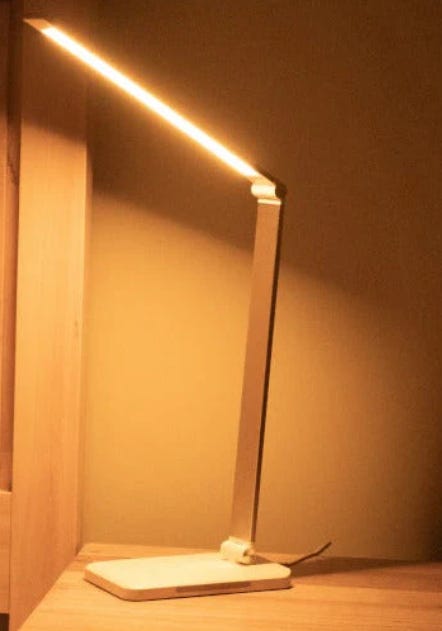
This circadian desk lamp is not only great for you but looks good too.
What I’m Reading
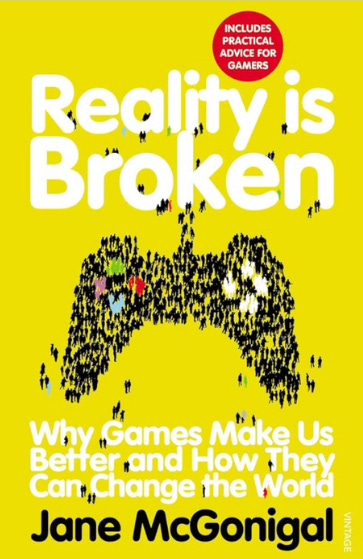
Tired of the narrative that gaming is the end of times? I am fortunate to work and research with Dr James Birt, who is a software engineer, did a PhD in AI over 20 years ago before anyone knew what it was, and whose day job is actually to research mixed reality and gaming amongst other things. His research on the role of gaming accords with this book I’m reading by Jane McGonigal.
“More than 31 million people in the UK are gamers.The average young person in the UK will spend 10,000 hours gaming by the age of twenty-one.The future will belong to those who can understand, design and play games.World-renowned game designer Jane McGonigal knows that are fulfilling genuine human needs, and in Reality is Broken she shows how game designers have hit on core truths about what makes us happy, and utilized these discoveries to astonishing effect in virtual environments.But why, McGonigal asks, should we use the power of games for escapist entertainment alone? In this groundbreaking exploration of the power and future of gaming, she reveals how gamers have become expert problem solvers and collaborators, and shows how we can use the lessons of game design to socially positive ends, be it in our own lives, our communities or our businesses.”
Happy weekend everyone, whatever you may be getting up to.
Libby x
P.S. I’ll be holding my first live with paid subscribers soon where you can ask questions and we will hang out and chat about reimagining work and life. Consider joining for the really tiny amount of money it is to become a paid subscriber.
Good luck!